


Shipper | Blog 4 min. read
Fuel surcharge explained: what shippers need to know

Fuel costs remain one of the most unpredictable variables in shipping, and fuel surcharges often reflect that uncertainty. When diesel prices fluctuate, those changes quickly ripple through freight rates, impacting transportation budgets, supply chain planning and overall profitability.
For shippers evaluating cost control strategies, understanding fuel surcharges in shipping is essential. More importantly, identifying ways to manage their impact can support greater cost efficiency, improve intermodal cost visibility and strengthen supply chain resilience.
Key takeaways:
- Fuel surcharges in shipping fluctuate with diesel prices, directly influencing transportation costs.
- Calculation methods are standardized but vary by carrier, making transparency important.
- Modal choices matter. Fuel-efficient options like intermodal can reduce overall exposure.
What is a fuel surcharge?
A fuel surcharge is an additional fee applied by carriers and transportation providers to account for changing fuel costs. Instead of frequently adjusting base freight rates, carriers use fuel surcharges as a flexible mechanism to reflect fluctuations in fuel prices.
In simplest terms, when fuel prices rise, fuel surcharges increase. The opposite happens when fuel surcharges decrease.
This structure helps stabilize contractual pricing while still allowing carriers to recover fuel-related expenses.

Current fuel surcharge trends for shippers
In recent years, volatility in global energy markets has led to frequent adjustments in fuel surcharges. Diesel prices, typically used as the benchmark for freight, have experienced fluctuations driven by geopolitical events, supply constraints and seasonal demand.
Even modest increases in fuel costs can materially affect shipping spend when scaled across large networks.
Why do fuel surcharges exist?
Fuel surcharges are designed to create a fair and flexible way to manage changing fuel costs in a dynamic market. They help both carriers and shippers adapt to fuel price fluctuations without disrupting day-to-day operations or long-term planning.
Without a surcharge mechanism:
- Pricing would require constant adjustment: Carriers and transportation providers would need to frequently renegotiate base rates as fuel prices change.
- Long-term pricing agreements would be harder to maintain: Ongoing volatility could make it more difficult to sustain stable, predictable contracts.
- Visibility would become more limited: Fuel costs might be embedded into base rates, making it harder to clearly understand what’s driving transportation expenses.
Fuel surcharges offer a more transparent standardized approach, giving both shippers and carriers a collaborative framework to respond to fuel price changes.
How can fuel surcharges impact a shipper’s bottom line?
Fuel surcharges play an important role in overall transportation costs, especially for high-volume or long-distance freight. Surcharges help carriers manage fuel price variability, and shippers should factor them into their planning.
Key considerations include:
Total shipment cost
Fuel surcharges are applied on top of base rates, which can increase the overall cost per load. Understanding how they’re calculated can help provide better cost visibility.
Budget variability
Because fuel prices fluctuate over time, surcharges may shift as well, making transportation costs less predictable month to month.
Margin consideration
Increases in fuel-related costs can influence margins, particularly in industries with tight cost controls. Proactive planning can help mitigate these effects.
Operational efficiency
Factors like routing, mode selection and network optimization can influence how much exposure a shipper has to fuel-related costs, creating opportunities for improvement and savings.
How to calculate fuel surcharge
Fuel surcharges are typically calculated using a benchmark fuel price (such as the U.S. Department of Energy (DOE) diesel index) and a predefined formula established by the carrier.
In simple terms, Total Fuel Surcharge = DOE Index Price Surcharge x Miles
While formulas vary slightly by carrier, the underlying principle remains consistent: linking surcharge levels to fuel price changes.
Estimate fuel surcharge costs based on your current transportation inputs using this fuel surcharge calculator.
How can shippers reduce fuel surcharge costs?
Although fuel surcharges are a standard component of freight pricing, their impact can be managed through strategic decisions.
Shift to more fuel-efficient transportation modes
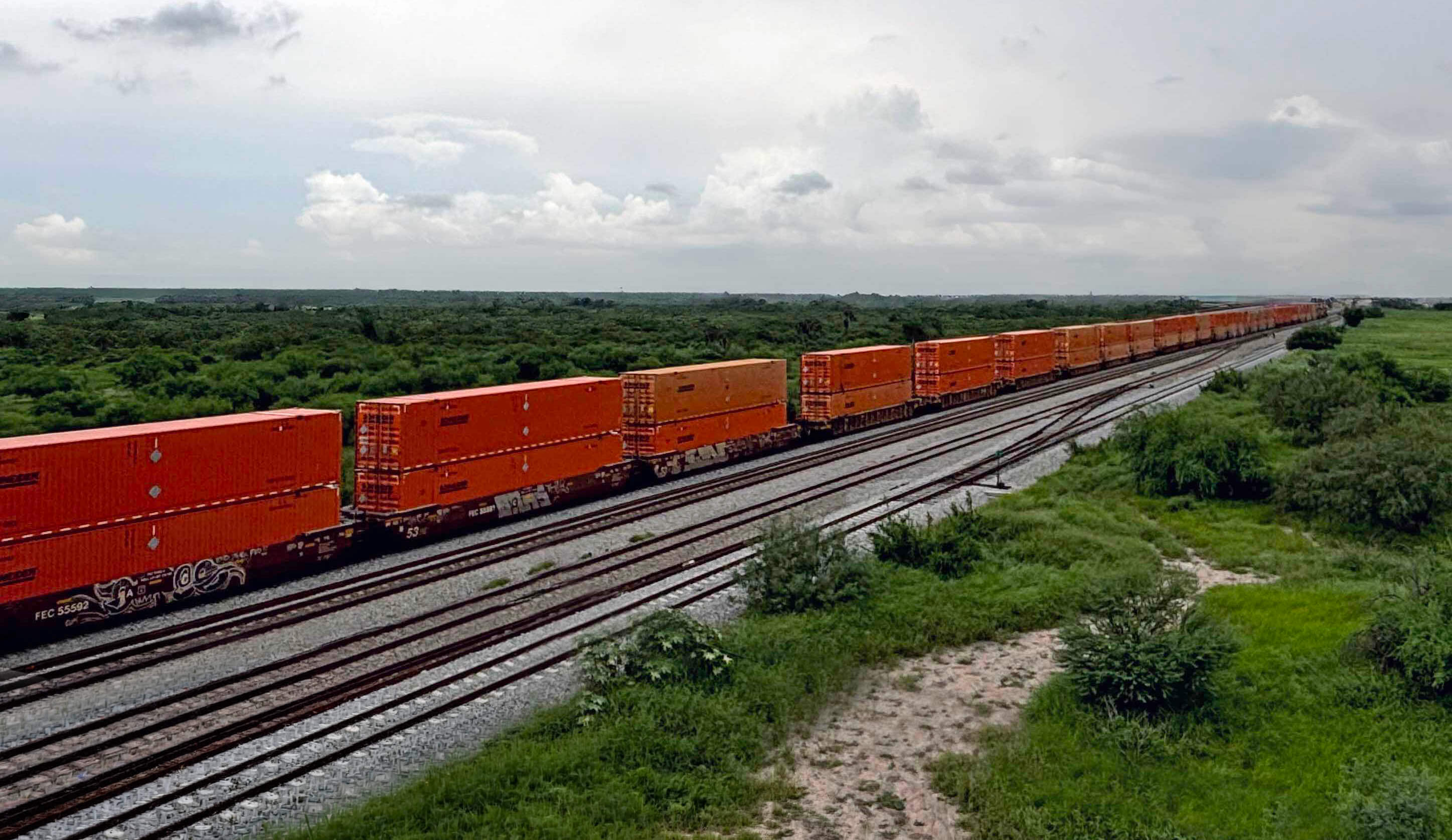
Intermodal transportation, combining rail and truck, offers up to four times more fuel efficiency compared to over-the-road trucking.
Potential advantages of intermodal transportation include:
- Lower fuel consumption per mile
- Reduced exposure to diesel price volatility
- Improved cost stability on long-haul lanes
Optimize shipment planning
Improving load utilization, consolidating shipments and minimizing empty miles can help reduce fuel usage and associated surcharges.
Evaluate routing strategies
More efficient routing reduces total mileage, which can lower mileage-based fuel surcharges.
Strengthen supply chain resilience
Fuel volatility represents just one form of disruption. Diversifying modes and building flexibility into transportation strategies can mitigate broader risks.
Managing fuel surcharges with confidence
Fuel surcharges are a standard component of freight pricing, but their impact can be better understood and managed with the right approach.
By combining a clear understanding of fuel surcharge mechanics with strategic transportation decisions, shippers can reduce uncertainty and better manage long-term costs.
Optimize fuel spending with intermodal
Discover how intermodal delivers fuel cost efficiency.
Related resources
Drive your business forward
Sign up to receive our industry leading newsletter with case studies and insights you can put to use for your business.