


Shipper | Blog 4 min. read
What Is LTL shipping? How less-than-truckload freight works

Key takeaways
- LTL (less-than-truckload) shipping allows multiple shippers to share trailer space, making it a cost-effective option for smaller freight shipments.
- LTL shipping helps businesses reduce transportation costs while maintaining reliable service and shipment visibility.
- Freight class, shipment dimensions, weight and accessorial services all influence LTL pricing.
- Choosing the right LTL provider can improve efficiency, reduce shipping costs and support a more flexible supply chain.
LTL shipping, or less-than-truckload shipping, is a key option for businesses looking to optimize their freight operations. This blog explores what LTL means, its role in trucking, the benefits it offers and how to incorporate it into a multimodal shipping strategy. Explore practical tips to unlock the full potential of LTL shipping for your business.
What is LTL shipping?
LTL shipping, which stands for Less-Than-Truckload shipping, is a method of shipping freight that is ideal for businesses with cargo that doesn’t fill a full truckload.
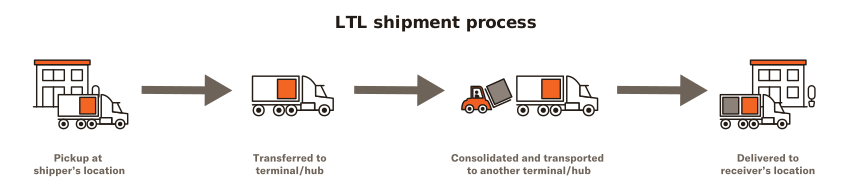
The process of LTL shipping starts with the freight pickup from the shipper’s location. The shipment is then transported to a terminal or hub, where it is consolidated with other shipments. From there, the freight is loaded onto a trailer and transported to another terminal or hub. Finally, the shipment is delivered to its destination.
When should you use LTL shipping?
Most businesses use LTL shipping when they need to move smaller weights or quantities of product off their dock quickly. LTL shipments typically range between 150 and 15,000 pounds and fewer than the minimum of 16 pallets that would fill a 53’ trailer. LTL shipping is ideal for loads that need to move but don’t need a full dry-van trailer.
The main benefit of LTL shipping is that businesses only pay for the space they need on a truck. This means that companies save money on transportation costs compared to shipping their goods via full truckload.
Additionally, LTL shipping providers offer a range of services including:
- Pickup and delivery
- Tracking
- Temperature-controlled shipping
- Guaranteed delivery options
It is beneficial for fulfilling small or rush orders in a way that costs less than shipping small quantities of goods via a full truckload. LTL shipping is also an excellent option for businesses needing to ship single pieces of oversized products that are too big for parcel delivery services.
This can include items such as:
- Furniture
- Appliances
- Electronics
- Construction materials
Benefits of LTL shipping as part of your transportation plan
There are many advantages to using LTL as part of your freight mix. When used correctly, it can optimize your overall transportation plan and deliver a high level of satisfaction for your customers. Here are some of the most significant benefits:
Cost-control
By using LTL shipping, companies can save money on shipping costs by paying only for the space they need in the trailer rather than the entire truckload. Accurate freight classification is crucial in this process, as it ensures fair pricing and helps optimize the space needed for your inventory. This classification affects pricing based on factor including:
- Density
- Stowability
- Handling requirements
- Liability
For a quick and reliable way to classify your shipment, check out Schneider's Freight Class Calculator.
Flexibility
Businesses can ship smaller quantities of goods as needed rather than waiting until they have enough to fill an entire load. This means that businesses can use LTL to ship products more frequently. This leads to faster delivery times and happier customers.
This level of flexibility can also help maintain inventory levels and reduce the risk of stockouts. LTL carriers also offer more pickup and delivery options, which allows businesses to choose a schedule that works best for them.
Improved tracking
Every LTL shipment is assigned a unique tracking number. This technology allows businesses and their customers to keep track of individual orders from pickup to delivery. This means shippers can keep their customers informed about the status of shipments, which can improve customer satisfaction.
Meeting sustainability goals
Consolidation is key. By sharing space on a truck with other shippers, businesses can reduce the number of trucks on the road, reducing carbon emissions.
Access to new markets
LTL allows manufacturers and retailers to move smaller quantities of goods to test new markets without committing to a large shipment. This can help organizations determine whether a new market is worth pursuing without incurring significant financial risk.
Working LTL freight into your multimodal mix
LTL is more than a one-off option to fill an emergency need. It is an essential part of any multimodal mix. In addition to full truckload, intermodal or dedicated fleet options, LTL fills in the gaps in any network.
Examples of when LTL shipments become a viable option for increased capacity can include:
- Growing a new customer relationship
- Expanding an existing relationship with a new route
- Having increased need during peak seasons
Lastly, consider the increased demands on e-commerce networks that need to shorten delivery times to improve customer service. While full-truckload runs can be used to stage products in specific regions, LTL shipments can be used to fulfill the final-mile requirements within the network.
Winning with LTL
With its cost-effectiveness and convenience, LTL shipping is an ideal choice for businesses transporting smaller shipments.
To ensure the best possible outcome when selecting a provider, consider these key services:
- A large and varied network of LTL carriers
- Expertise and experience in choosing reliable carriers
- Processes to ensure your goods are handled safely throughout every step of delivery
Get an LTL freight quote with FreightPower
Schneider FreightPower® is an online marketplace that gives you complete freight management and 24/7 visibility into your LTL shipments.
LTL related resources
Drive your business forward
Sign up to receive our industry leading newsletter with case studies and insights you can put to use for your business.